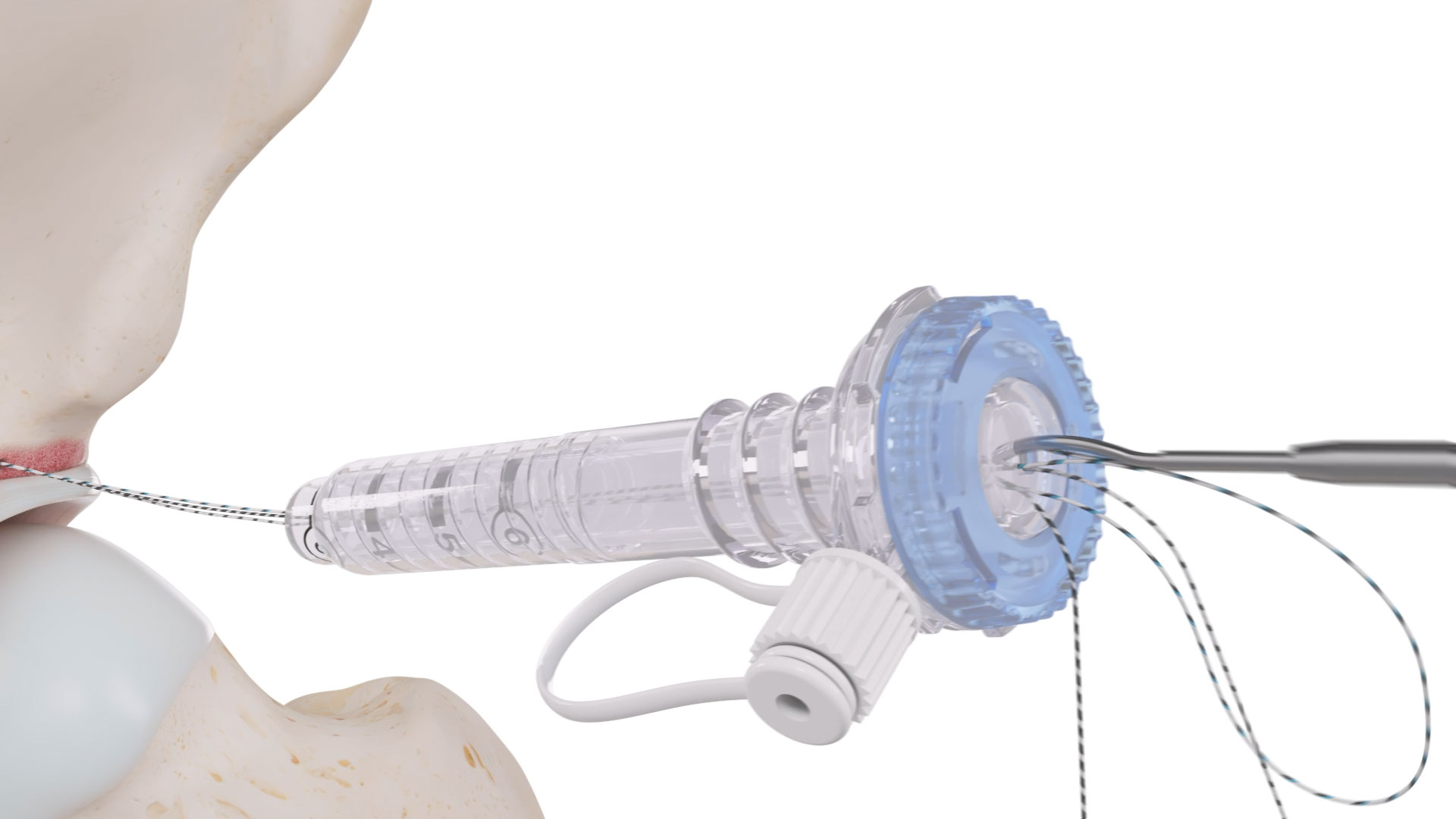
Mechanism of Action (MOA) animation is a specialized 3D visualization technique that shows exactly how a medical device, pharmaceutical drug, or biological therapy works at the molecular, cellular, or anatomical level. Unlike static diagrams or text descriptions, MOA animations use motion graphics to demonstrate complex scientific processes in a clear, visually engaging format.
For medical device companies, MOA animations serve critical functions across regulatory submissions, physician education, and investor presentations.
The healthcare industry has quantified the impact of 3D medical animation, and the numbers are compelling:
Regulatory Efficiency
Physician and Clinical Adoption
Marketing and Sales Impact
The human brain processes 90% of information visually. When complex biological mechanisms are presented through 3D animation:
1. Cognitive Load Reduction
Animation breaks down multi-step processes into digestible visual sequences, reducing the mental effort required to understand complex mechanisms.
2. Spatial Understanding
3D MOA animations show devices within anatomical context, helping viewers understand spatial relationships that are impossible to convey through 2D diagrams.
3. Memory Retention
Viewers remember 95% of a message when watching it in video format, compared to just 10% when reading text.
4. Language-Agnostic Communication
Visual demonstration transcends language barriers, making MOA animations ideal for global regulatory submissions and international markets.
FDA and Regulatory Submissions
MOA animations clarify device function for FDA reviewers, reducing back-and-forth questions and accelerating approval timelines. Animations demonstrate:
Physician and Surgeon Education
Surgeons adopt new devices faster when they can visualize the complete procedural workflow. MOA animations show:
Investor and Stakeholder Presentations
Investors need to understand device innovation quickly. MOA animations communicate:
The medical animation market is projected to reach $1.99 billion by 2030, driven by proven ROI across multiple business functions:
Cost Savings
Revenue Acceleration
Brand Authority
Not all MOA animations deliver results. Effective animations share these characteristics:
1. Scientific Accuracy
Anatomical precision and correct biological representation are non-negotiable. Inaccurate animations damage credibility and slow regulatory review.
2. Audience-Specific Pacing
FDA reviewers need technical detail. Investors need high-level clarity. Physicians need clinical context. Tailor animation depth to the viewer.
3. Clear Visual Hierarchy
Use color, motion, and camera angles to direct attention to the most important elements of the mechanism.
4. Professional Voiceover and Annotation
Narration improves comprehension and ensures consistent messaging across all viewers.
5. Modular Design
Create animations that can be edited into shorter segments for different platforms (social media, presentations, regulatory submissions).
Medical device MOA animations typically require:
Timeline: 4-8 weeks from storyboard approval to final delivery
Cost Range: $8,000 - $25,000 depending on complexity, length, and level of anatomical detail
Factors affecting cost:
Companies searching for MOA animation services use these terms:
In 2026, MOA animation isn't optional for medical device companies serious about regulatory success, physician adoption, and market differentiation.
The data is clear: visual communication outperforms text, retention rates are higher, and sales cycles are shorter when MOA animations are deployed strategically.
If your device is complex, your market is competitive, or your regulatory path is uncertain, investing in high-quality MOA animation is the smartest move you can make.
Ready to create an MOA animation that drives results? Let's talk.