Surgical Procedure Animations That Clarify Every Step
Help surgeons, staff, and training teams quickly understand your device’s procedural workflow with clear visuals created in close collaboration with your team.
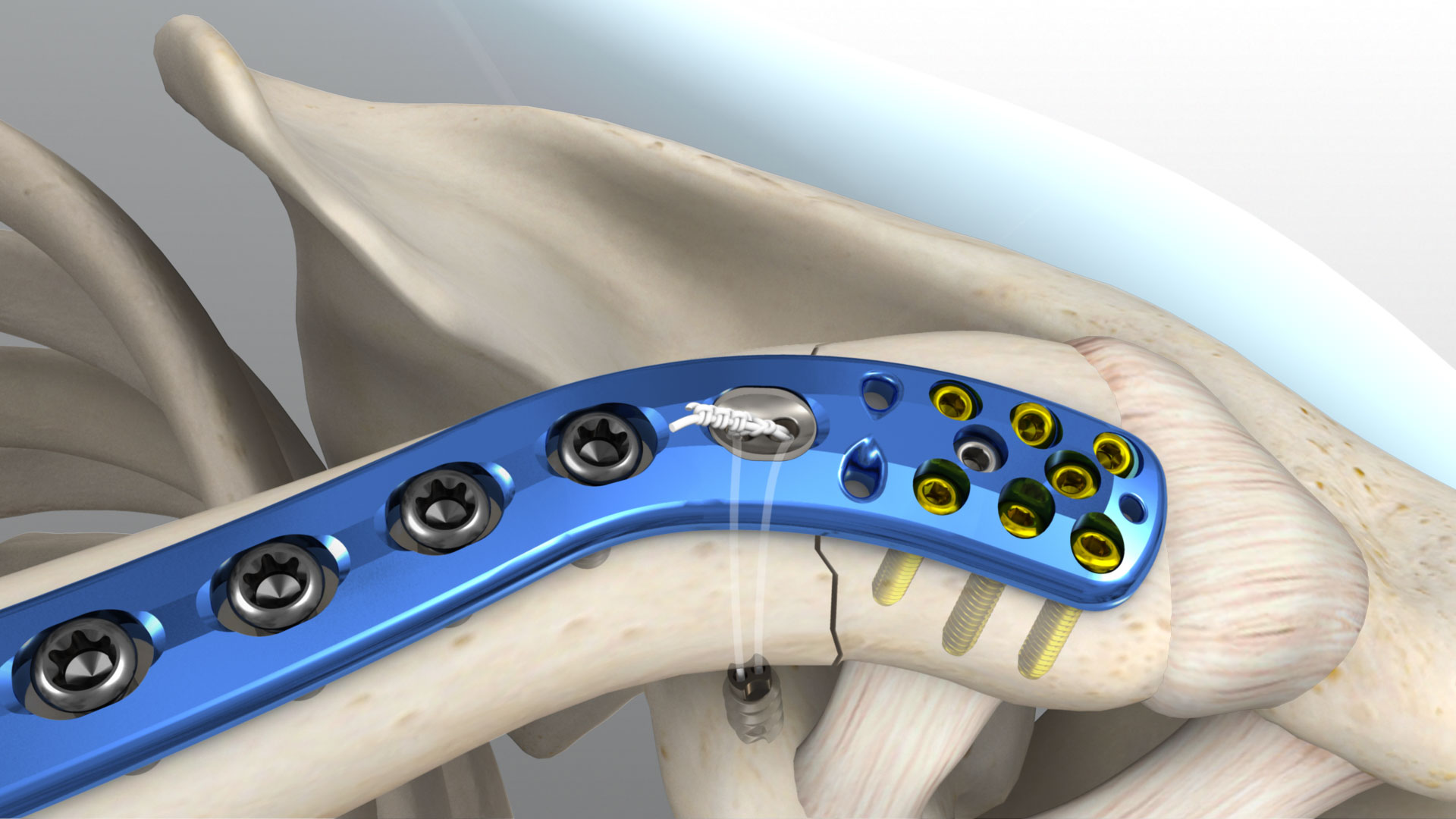
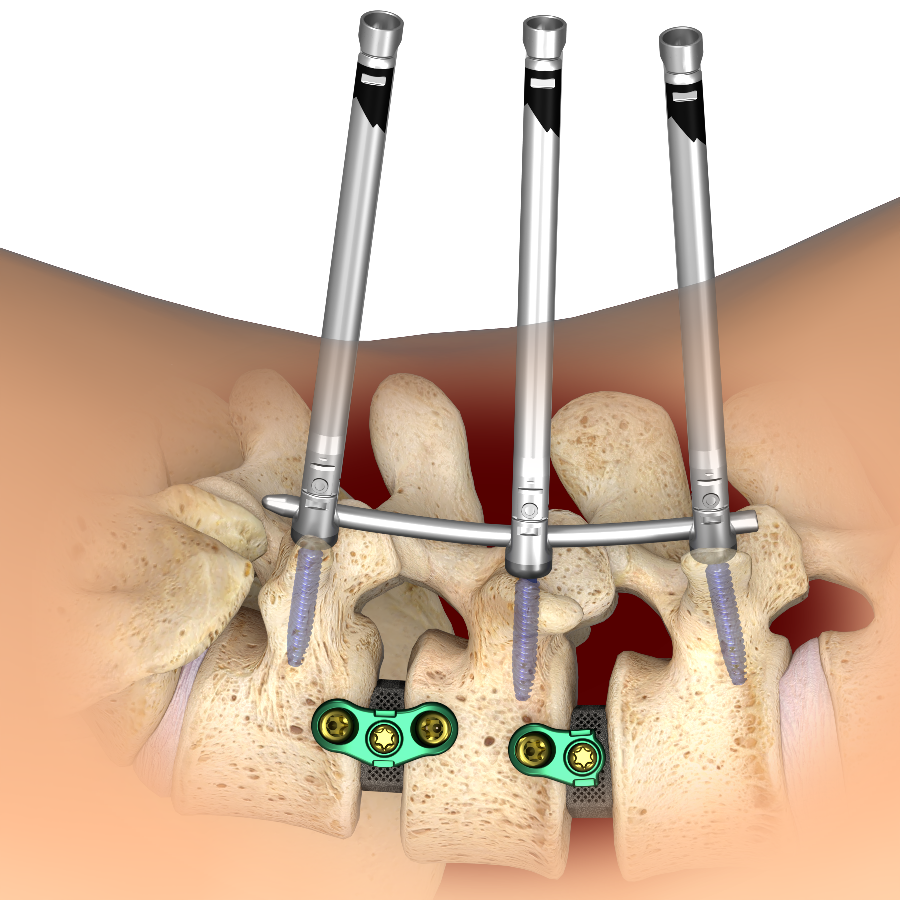
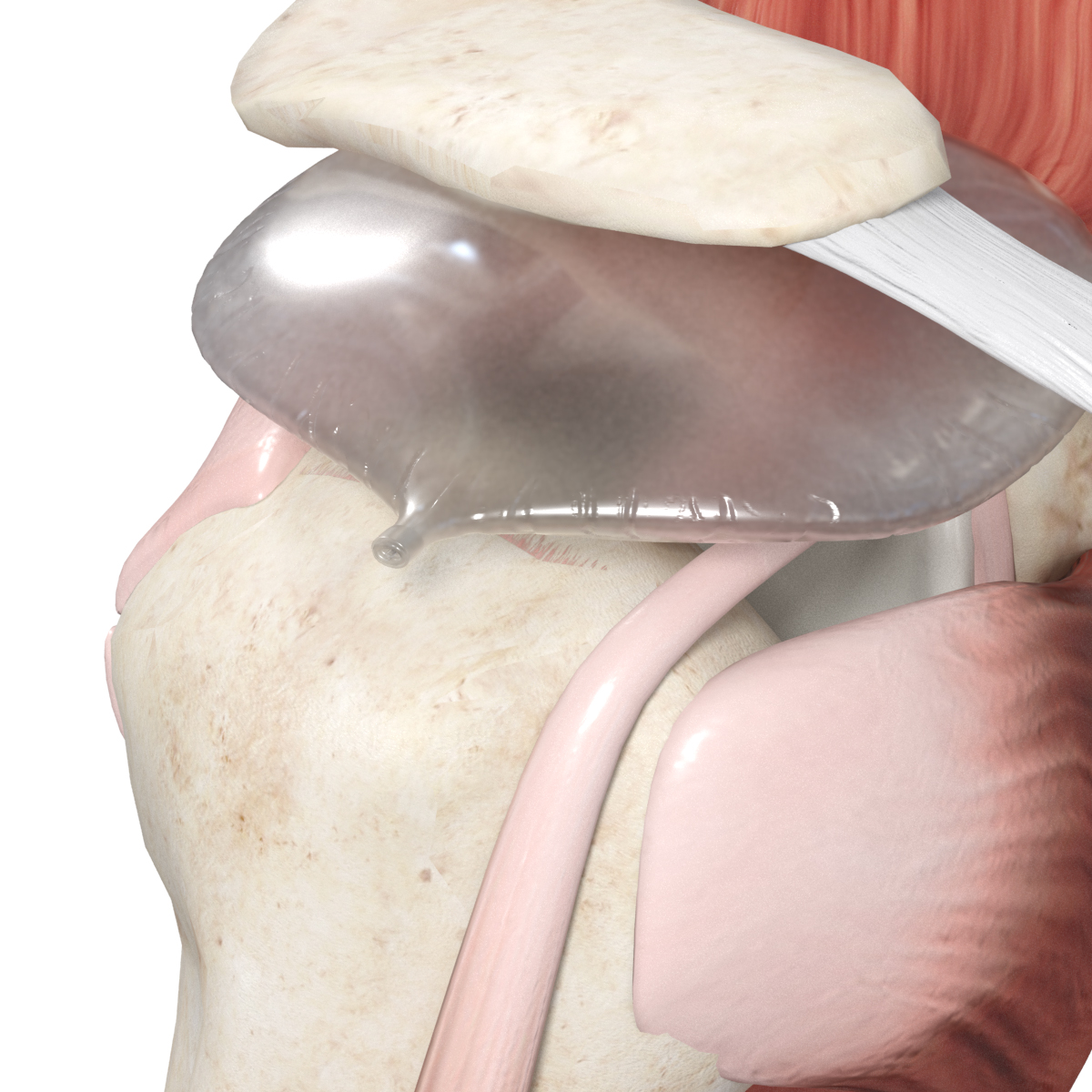
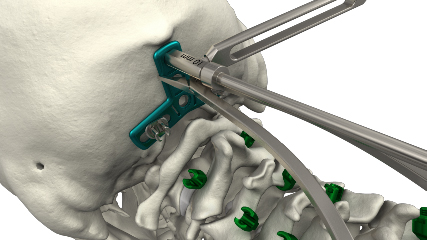
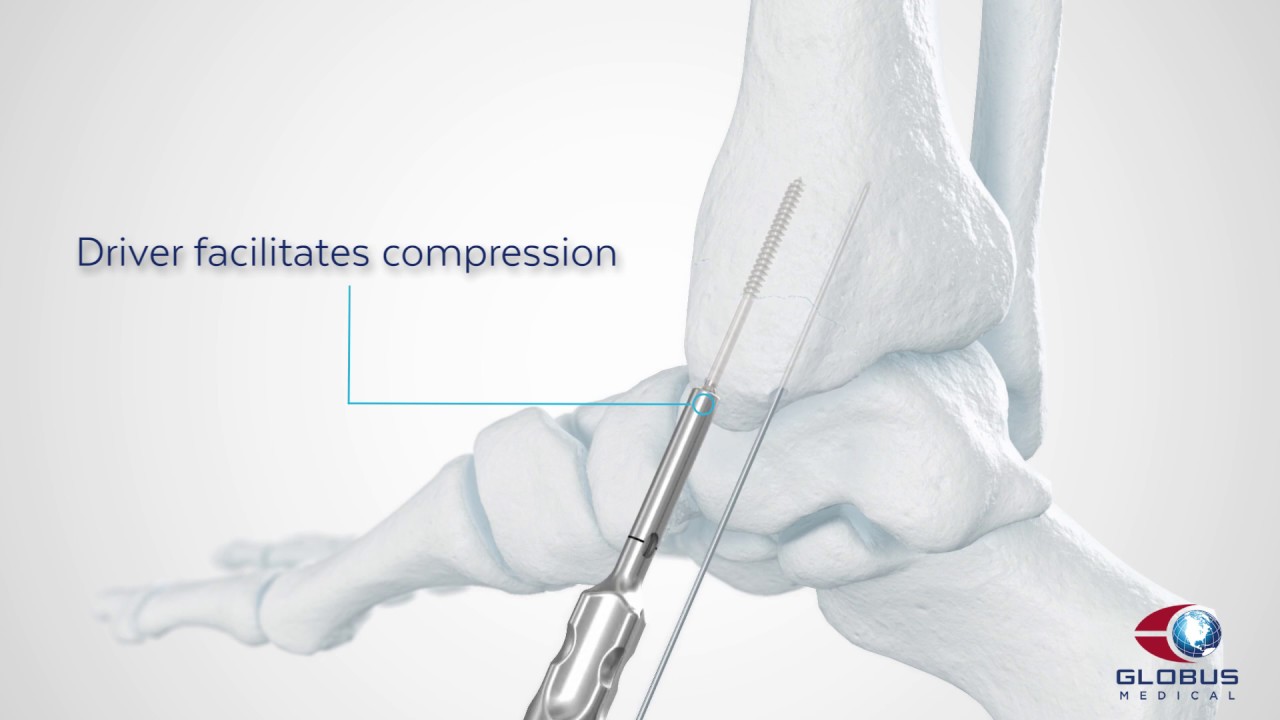
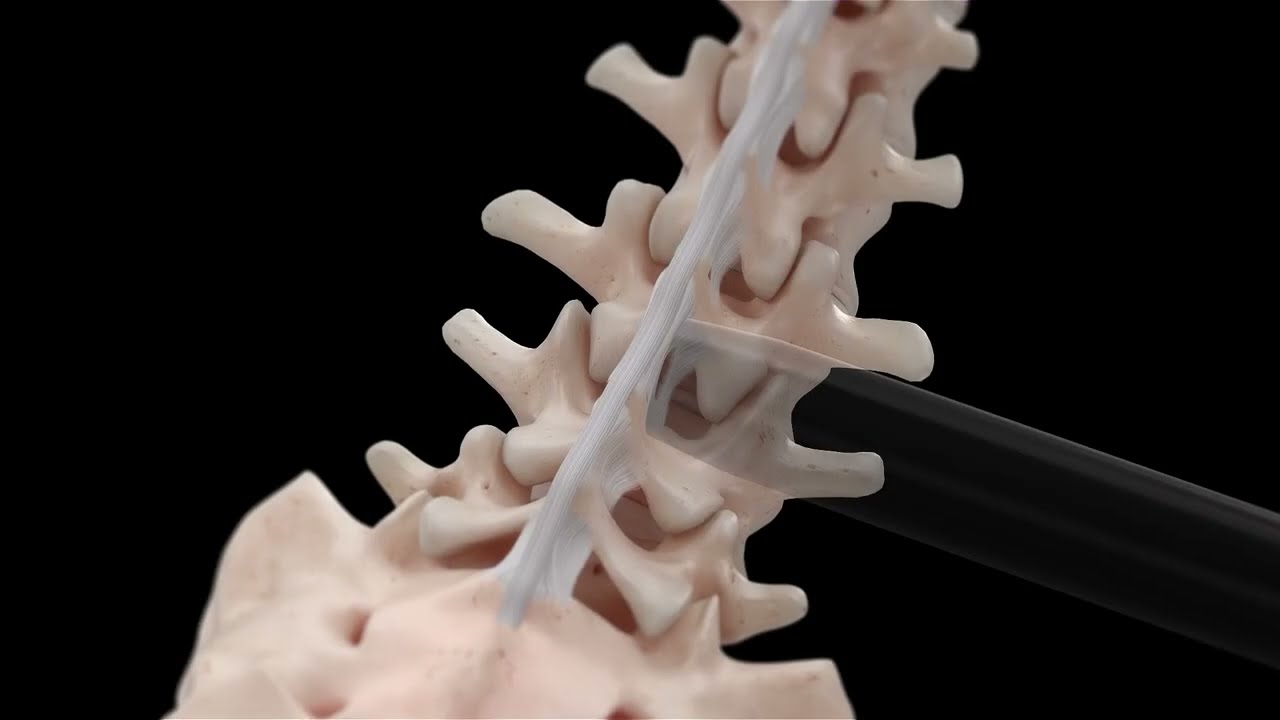
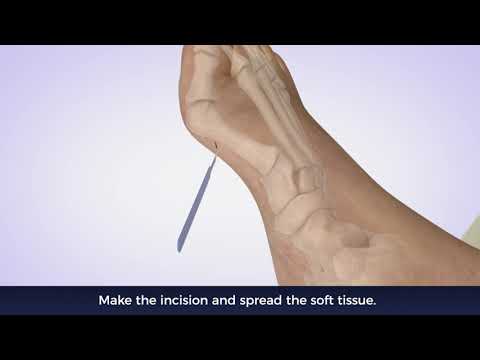
A surgical procedure animation outlines each step of device placement or technique, from initial approach to final outcome. These animations are ideal for educating clinicians, supporting training programs, and ensuring consistent understanding across diverse teams.
Ideal for
Who Surgical Animations Are For?
For Clinical Teams
Proctoring and procedural education, staff training, or standardizing technique.
For Marketing & Product Teams
Demonstrating technique during launches, improving product understanding, providing clarity for KOLs
For Sales Teams
Training reps faster, reducing confusion in early device adoption, strengthening hospital conversations
What You Get
Step-by-step device placement sequence
Instrument and tool visualization
Multiple video formats
Optional project files for future updates
Surgical Procedure Animation
Frequently asked questions
Everything you need to know about Surgical Procedure Animations
What makes your surgical animations accurate?
Accuracy comes from collaborative review with your clinical or engineering team. We combine your procedural instructions, reference videos, annotated photos, and CAD files with our experience in surgical visualization to ensure anatomical placement, tool interaction, and procedural sequencing reflect real-world technique.
Can you show multiple surgical approaches?
Yes. We can demonstrate multiple approaches including open vs. minimally invasive techniques, anterior vs. posterior approaches, variations based on patient anatomy, and alternative device placement strategies. Multiple approaches can be shown sequentially in one long animation or created as separate modular videos. Modular approach is often better for training, surgeons can watch only the approach relevant to their practice. Multiple approaches add to complexity and cost.
What's the difference between MOA and surgical procedure animation?
MOA (mechanism of action) animations focus on "how the device works physiologically", showing device function, therapeutic effect, and mechanism inside the body. Surgical procedure animations focus on "how surgeons use the device", showing surgical technique, step-by-step placement, instrument usage, and procedural workflow. MOA is for understanding mechanism. Surgical is for learning technique. Many clients need both: MOA for regulatory and physician education, surgical for surgeon training and proctorship preparation.
Can surgeons review the animation before final delivery?
Absolutely. We build surgeon review into our timeline. Their feedback is critical for technical accuracy.