Why Medical Device Training Videos Outperform Traditional Training Methods
Medical device sales representatives, clinical specialists, and healthcare providers face a common challenge: mastering complex product knowledge while managing demanding schedules. Traditional training methods—lengthy manuals, in-person sessions, and static presentations—consistently fail to deliver retention and scalability.
3D medical device training videos solve this problem by combining visual demonstration, on-demand accessibility, and proven learning science.
The Training Problem: What Traditional Methods Get Wrong
Traditional medical device training relies on:
- In-person sessions: Expensive, geographically limited, inconsistent messaging
- Printed manuals: Low engagement, poor retention, difficult to update
- Static slide decks: Fail to demonstrate 3D device mechanics and surgical context
- On-the-job shadowing: Time-intensive, lacks standardization, depends on experienced staff availability
The result? High training costs, extended onboarding timelines, and inconsistent product knowledge across sales teams.
The Data: How Training Videos Transform Learning Outcomes
Training Efficiency and Cost Savings
- Training videos reduce onboarding time by 40-60% compared to in-person training alone
- 40% of healthcare companies now prefer animated videos over traditional training manuals
- Eliminates travel costs, venue expenses, and trainer scheduling conflicts
- New reps can learn at their own pace, pause/rewind complex sections
Knowledge Retention and Comprehension
- Viewers remember 95% of a message when watching it in video format, compared to just 10% when reading text
- 96% of people find animated educational videos useful for increasing retention and understanding
- 3D animation improves knowledge retention by up to 60% compared to text-based learning
- People retain 80% of what they see vs. only 10% of auditory information
Learning Preferences and Engagement
- 65% of individuals are visual learners, making video the optimal training format
- The brain processes 90% of information visually
- Animated explainer videos maintain 70-85% viewer completion rates vs. 50-65% for traditional formats
- Video training ensures message consistency across entire sales force regardless of location
Medical Device Training Video Use Cases
1. Sales Rep Onboarding
New sales representatives need comprehensive product knowledge before their first physician meeting. Training videos provide:
- Device mechanism of action and clinical benefits
- Competitive differentiation and positioning
- Anatomical context and procedural workflow
- Common physician objections and responses
- Compliance and regulatory considerations
2. Clinical Specialist Certification
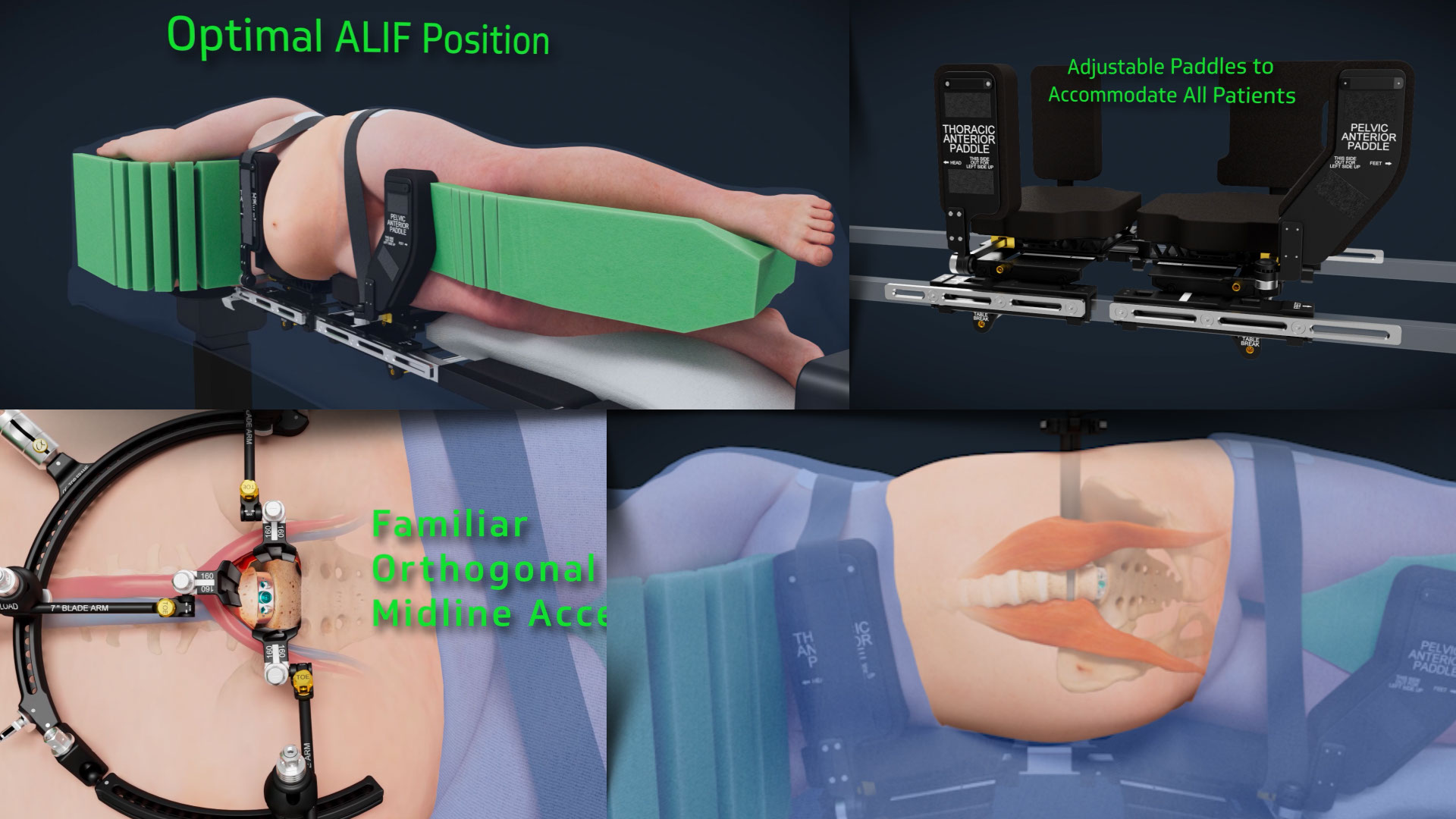
Clinical specialists require deep technical expertise to support OR cases. Training animations show:
- Surgical technique and device placement
- Instrumentation and setup procedures
- Troubleshooting and complication management
- Patient selection criteria and contraindications
3. Healthcare Provider Education
Physicians, nurses, and technicians need to understand device function and usage. Training videos deliver:
- Indications for use and patient selection
- Step-by-step operational instructions
- Safety protocols and adverse event management
- Evidence-based clinical outcomes
4. Distributor and Channel Partner Training
International distributors and channel partners require standardized training. Video ensures:
- Consistent messaging across global markets
- Language-specific versions with localized voiceovers
- On-demand access without travel costs
- Easy updates when products or techniques evolve
ROI of Medical Device Training Videos
The medical animation market's growth to $1.99 billion by 2030 is driven by measurable training ROI:
Cost Reduction
- 60% lower training costs by eliminating in-person sessions
- Reduced trainer salaries and travel expenses
- Decreased venue rental and logistics costs
- Lower turnover due to improved job readiness
Time Savings
- 40-60% faster onboarding for new reps and specialists
- Reps reach productivity faster, generating revenue sooner
- Managers spend less time conducting repetitive training
- Self-paced learning fits busy clinical schedules
Quality and Consistency
- Every trainee receives identical, high-quality instruction
- Eliminates variability in trainer expertise and style
- Easy compliance tracking and completion verification
- Content updates deploy instantly to all users
What Makes an Effective Medical Device Training Video?
High-performing training animations share these characteristics:
1. Modular Structure
Break content into 3-7 minute modules focused on single topics. This supports microlearning and easier knowledge retention.
2. Visual Demonstration Over Narration
Show device mechanics, surgical placement, and anatomical interaction rather than simply describing them.
3. Real-World Context
Place devices in clinical scenarios that trainees will encounter, not abstract demonstrations.
4. Knowledge Checks and Assessments
Include quiz questions or interactive elements to verify comprehension and maintain engagement.
5. Accessibility and Platform Optimization
Ensure videos work on mobile devices, tablets, and desktop for on-the-go learning.
Training Video Production: Timeline and Investment
Timeline: 4-8 weeks per training module series
Cost Range: $5,000 - $15,000 per module depending on complexity
Factors affecting cost:
- Device complexity and animation requirements
- Number of modules in series
- Interactive elements or assessments
- Voiceover talent and language versions
- Learning management system (LMS) integration
SEO Keywords: Medical Device Training Videos
Companies searching for training animation services use these terms:
- Medical device training videos
- 3D product training animation
- Sales rep training video
- Clinical specialist education animation
- Healthcare professional training
- Medical device onboarding video
- Animated training modules
- Surgical device education video
Training Video Best Practices
For Maximum Engagement:
- Keep modules under 7 minutes to maintain attention
- Use professional medical voiceover talent
- Include on-screen text for key takeaways
- Add background music to improve pacing
- Create chapter markers for easy navigation
For Learning Effectiveness:
- Start with learning objectives and end with summary
- Use repetition for critical safety information
- Provide downloadable resources and reference guides
- Track completion rates and quiz scores
- Gather trainee feedback for continuous improvement
Case Study: Training Video Impact on Sales Performance
An orthopedic device company replaced in-person sales training with a modular 3D animation series. Results after 12 months:
- 53% reduction in training costs
- 42% faster time-to-productivity for new reps
- 28% improvement in product knowledge test scores
- 19% increase in first-year rep quota attainment
- Zero geographic barriers to hiring top talent
The Future of Medical Device Training: Interactive and Immersive
Training videos are evolving beyond passive viewing:
- Interactive 3D Models: Trainees manipulate devices and anatomy in real-time
- Virtual Reality (VR): Immersive surgical simulations for hands-on practice
- Augmented Reality (AR): Overlay training content on physical devices
- AI-Powered Assessments: Adaptive learning paths based on individual performance
Final Thought: Training Videos as Competitive Advantage
In 2026, medical device companies that invest in 3D training videos gain measurable advantages:
- Lower training costs and faster onboarding
- Higher knowledge retention and sales performance
- Scalable global training without geographic limits
- Consistent messaging across entire sales organization
The data is undeniable: video training delivers 95% retention, 60% cost savings, and 40-60% faster onboarding. If you're still relying on manuals and in-person sessions, you're falling behind.
Ready to transform your training program with 3D animation? Let's build your training video series.